Reducing cotton supply chain emissions

Regenerative farming practices lowered carbon intensity
Understanding and reducing greenhouse gas emissions has become an increasingly important priority across global textile supply chains. To better understand the environmental impact of cotton production and identify opportunities for emissions reduction, CottonConnect and Primark commissioned the Carbon Trust in 2019/2020 to conduct a carbon footprint analysis of farms participating in the Primark Cotton Project in Gujarat, India.
The study examined how sustainable farming practices influenced greenhouse gas emissions at farm level and compared programme farmers with non-participating control farms. The findings provided valuable insight into the relationship between agricultural inputs, farming practices, and carbon emissions within cotton production systems.
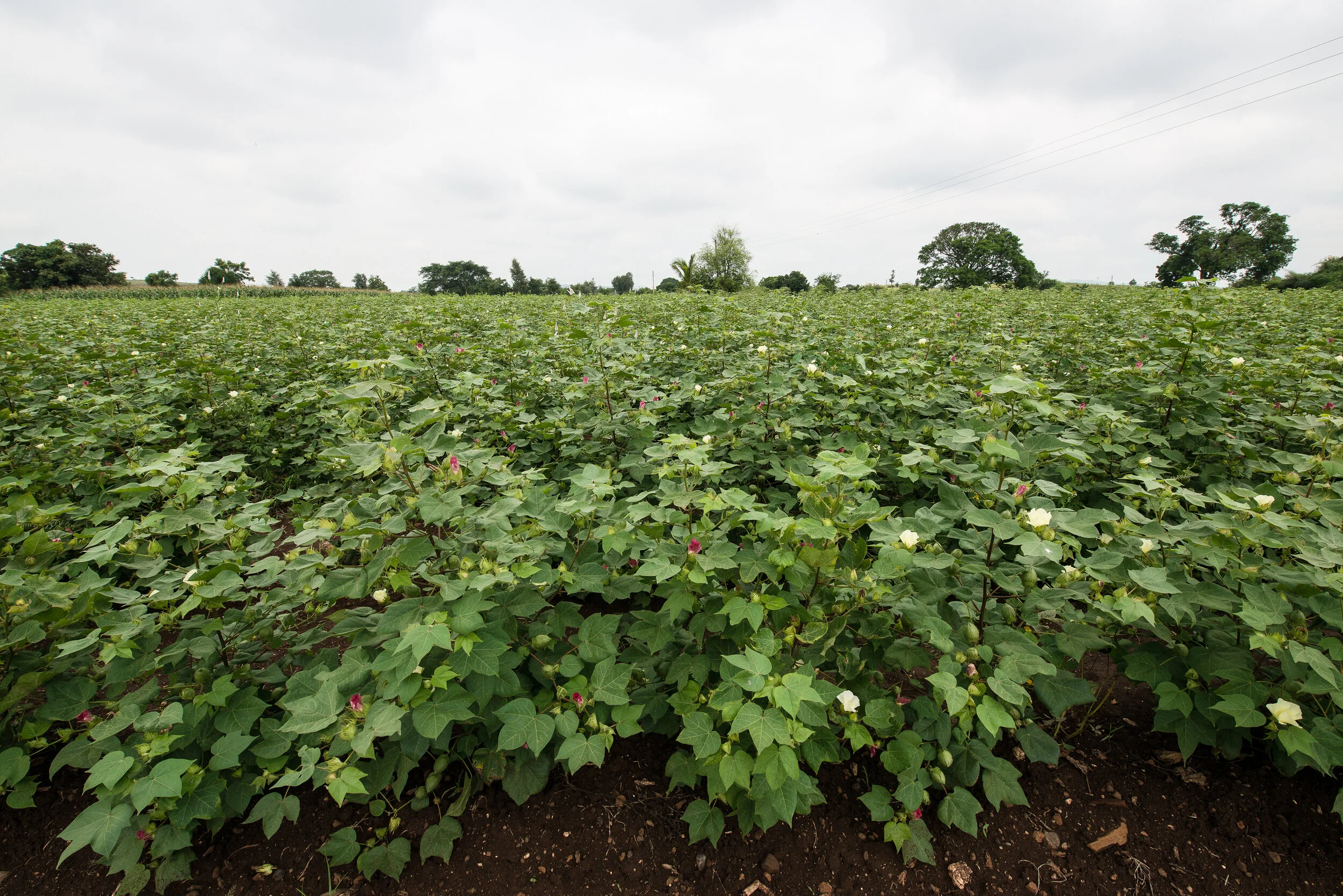
Key outcomes

  • Lower greenhouse gas emissions identified among programme farmers

  • Reduced fertiliser and crop protection agent (CPA) use linked to emissions reductions

  • Increased adoption of natural pest management practices

  • Clear opportunities identified for further carbon reduction through soil management practices

The challenge

Agriculture is a significant contributor to greenhouse gas emissions, particularly through the use of synthetic fertilisers, fuel, electricity, and crop protection products. Within cotton farming systems, understanding where emissions occur – and how they can be reduced – is essential for supporting more sustainable production and helping brands meet climate-related goals.

However, accurately measuring emissions at farm level can be complex. There is often limited data available on how different farming practices influence carbon footprints, particularly in smallholder farming systems.

CottonConnect and Primark recognised the need for evidence-based analysis that could:

  • Identify the main sources of emissions
  • Measure the impact of sustainable farming practices
  • Support future emissions reduction strategies across cotton supply chains


The approach

The Carbon Trust conducted a detailed carbon footprint analysis using data collected from farmers participating in the Primark Cotton Project, alongside data from control farms in Gujarat, India. The assessment calculated total greenhouse gas emissions based on farm inputs and activities, including:

  • Fertiliser use
  • Crop protection agents (CPAs)
  • Fuel and electricity consumption
  • Farming practices and resource management

The analysis also examined how training delivered through the Primark Cotton Project influenced farmer behaviour and input use. Many participating farmers had adopted more sustainable agricultural techniques through the programme, including intercropping, pheromone traps, bird perches, border crops, and reduced chemical input use.

These practices helped reduce reliance on synthetic crop protection agents and supported more ecological approaches to pest management.


The study identified measurable differences between programme farmers and control farms, demonstrating the potential environmental benefits of sustainable cotton farming practices.

The impact

Reduced greenhouse gas emissions

The analysis found that farms participating in the Primark Cotton Project generated lower greenhouse gas emissions compared to control farms. Reduced use of fertilisers and crop protection agents played a significant role in lowering emissions intensity across programme farms.

Lower dependence on chemical inputs

Fertiliser use was identified as the largest contributor to farm-level emissions, while emissions from crop protection agents were comparatively lower. The lower CPA emissions were linked to the adoption of natural pest management methods promoted through programme training, including intercropping, pheromone traps, bird perches, and border crops.

Identifying future opportunities

The study also highlighted additional opportunities for emissions reduction. Although adoption of soil nutrient management practices such as green manuring and biogas use was higher among programme farmers than control farms, only around 10% of sampled farms had implemented these techniques. This indicated significant potential for further emissions reductions through wider adoption of regenerative soil management practices. Farm electricity and fuel management were also identified as important areas for future improvement.

Looking ahead

The findings from the Carbon Trust analysis reinforced the important role sustainable agriculture can play in reducing the environmental footprint of cotton production.

As climate considerations become increasingly important across the textile industry, data-driven approaches such as carbon footprint analysis are helping identify practical pathways toward lower-emission farming systems. Continued adoption of regenerative and resource-efficient agricultural practices offers significant potential to further reduce emissions while supporting healthier soils, stronger farm resilience, and more sustainable supply chains.