Human Rights Due Diligence
Resilient companies start with people
Strengthen human rights due diligence, improve working conditions and support more inclusive supply chains.


Strengthen human rights due diligence, improve working conditions and support more inclusive supply chains.
The performance of your supply chain depends on the people within it. From farmers and workers to processors and communities, their wellbeing, rights, and productivity directly shape the quality, resilience, and integrity of your sourcing.
CottonConnect helps you build supply chains that work better for people – and therefore perform better for your business.
Consumer expectations are reshaping business. Labour standards, human rights, and worker wellbeing increasingly influence purchasing decisions, while regulation and due diligence requirements continue to evolve across global markets.
At the same time, many of the most significant social challenges in cotton supply chains – from unsafe working conditions to unequal wages – remain concentrated at farm and processing level.
Building resilient supply chains means strengthening the processes to support the people intrinsic to the value chain. Through robust codes, standards, and training programmes, we help brands strengthen human rights due diligence, improve working conditions, and support more inclusive and equitable participation across their supply chains – particularly for women.
By increasing skills and knowledge, supporting safer working environments, and helping amplify rural voices, we enable brands to build supply chains that are more transparent, resilient, and aligned with their regulatory commitments.


trained under grievance mechanism framework

gins covered

SPOCS trained

Aligned with the UN Guiding Principles on Business and Human Rights, we partner with brands to implement practical and effective human rights due diligence across the supply chains.
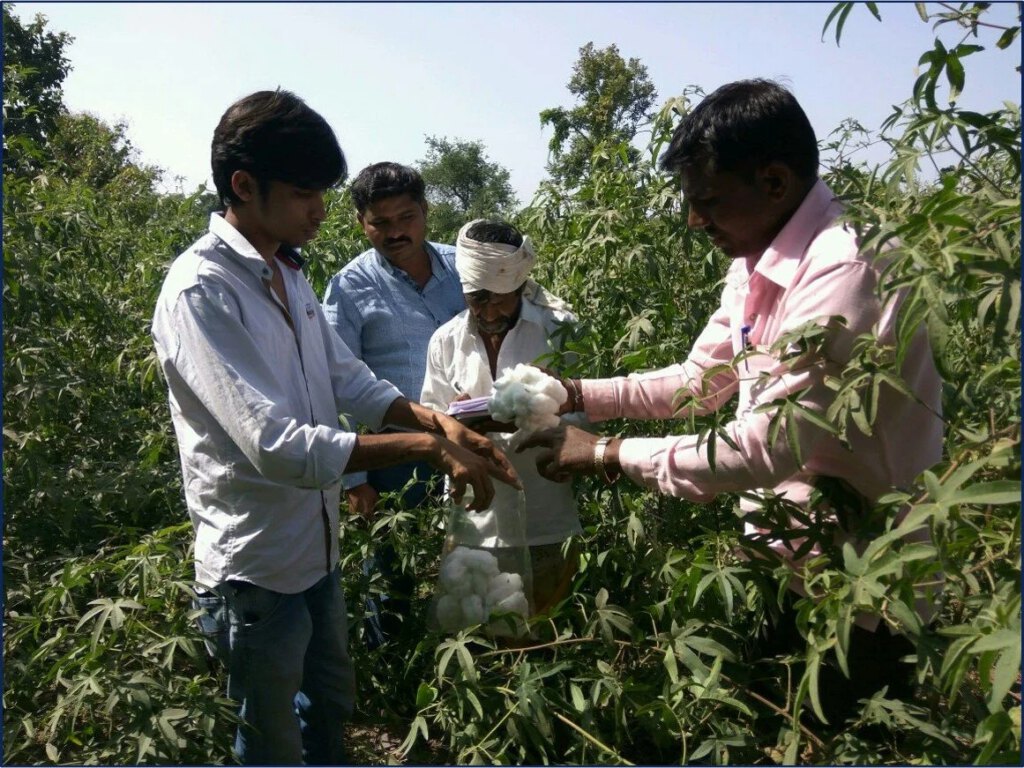
Our work in this area goes beyond policy commitments. It involves identifying and addressing risks, engaging directly with farmers and workers, and establishing robust mechanisms to monitor, remediate, and continuously improve conditions over time.
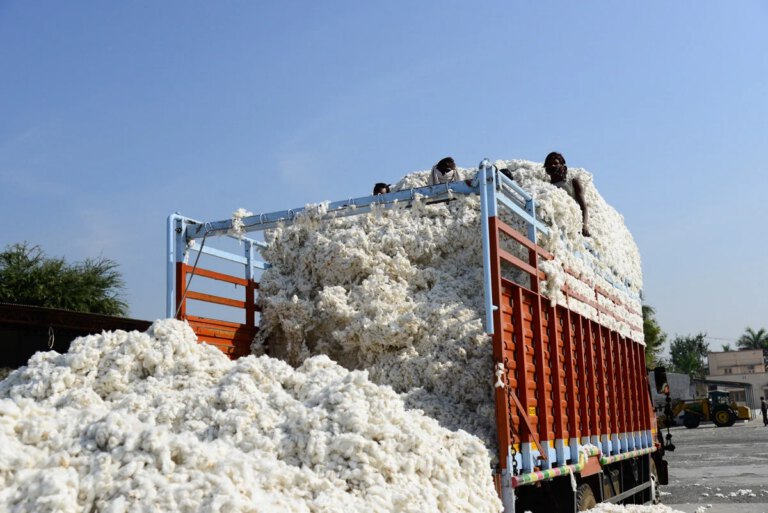
From farms to gins, working conditions play a critical role in building supply chain resilience by nurturing people. Our programmes promote safe, fair, and compliant working environments, including the use of protective equipment, improved health and safety practices, and greater awareness of labour rights.
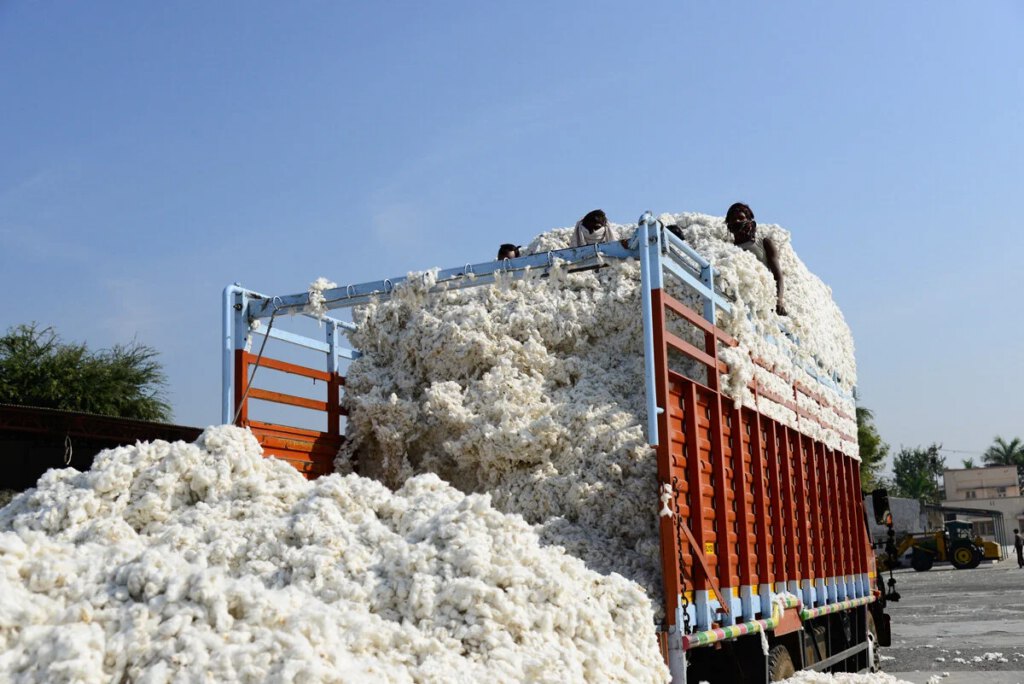
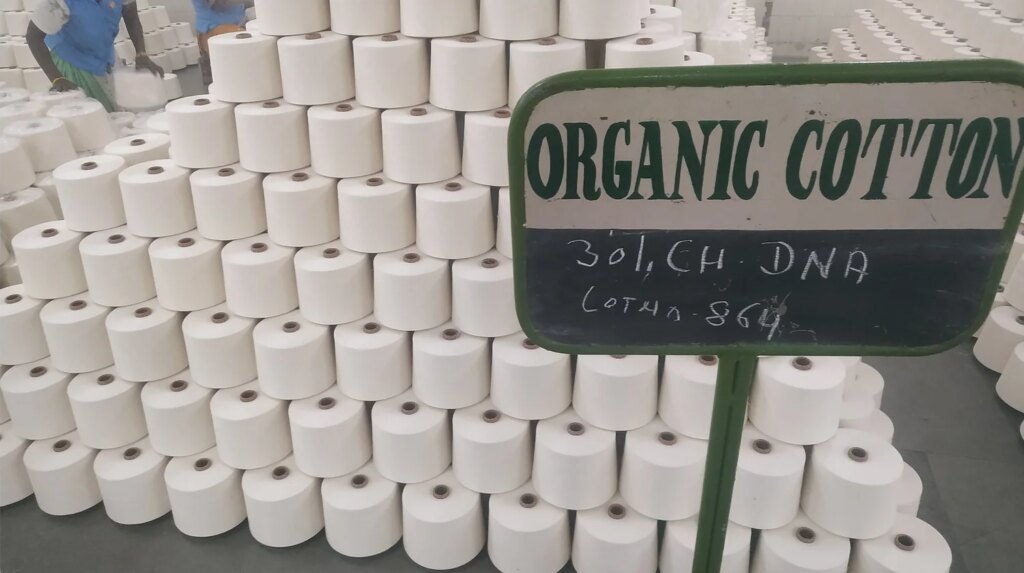
In ginning facilities – an often overlooked but critical stage – we have implemented a Code of Conduct to improve workplace conditions and ensure compliance with legal and ethical requirements. This reduces operational risk while improving efficiency and workforce stability.

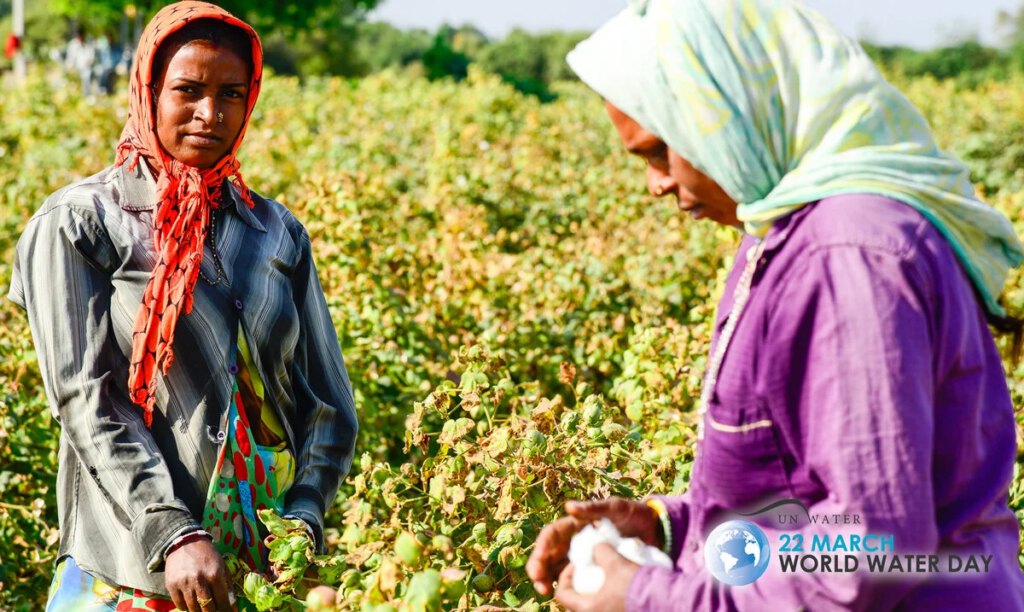
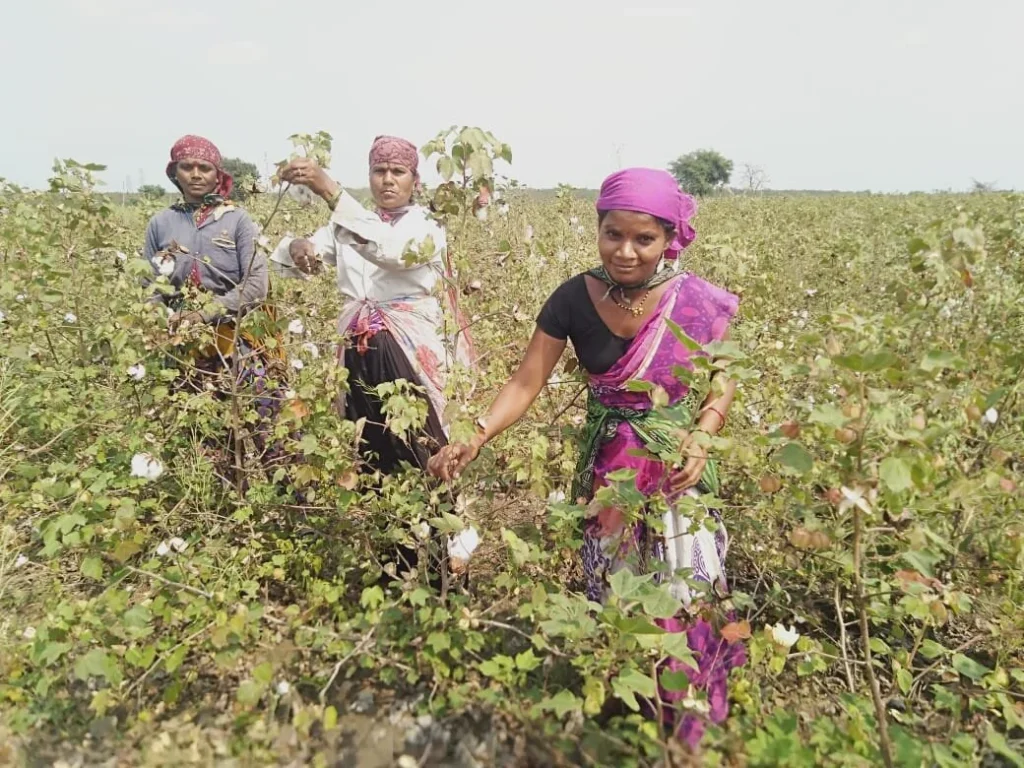
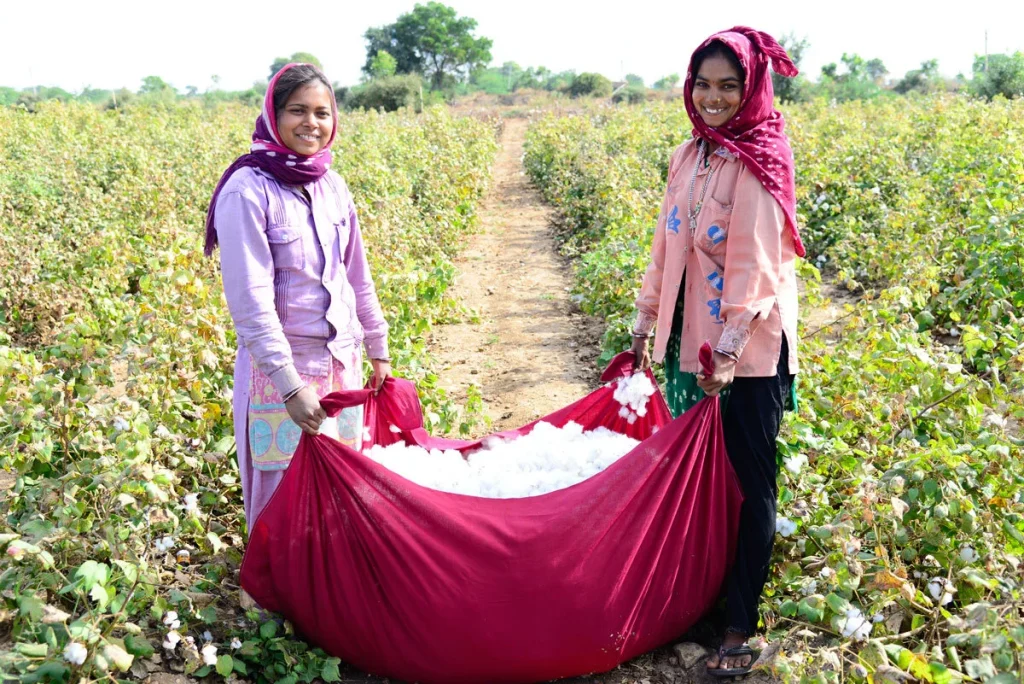
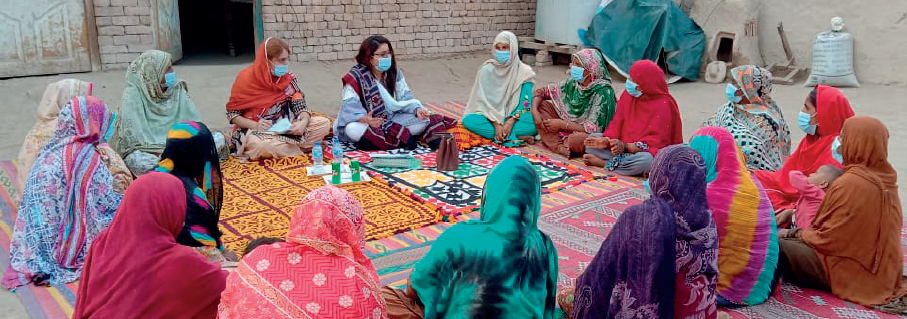
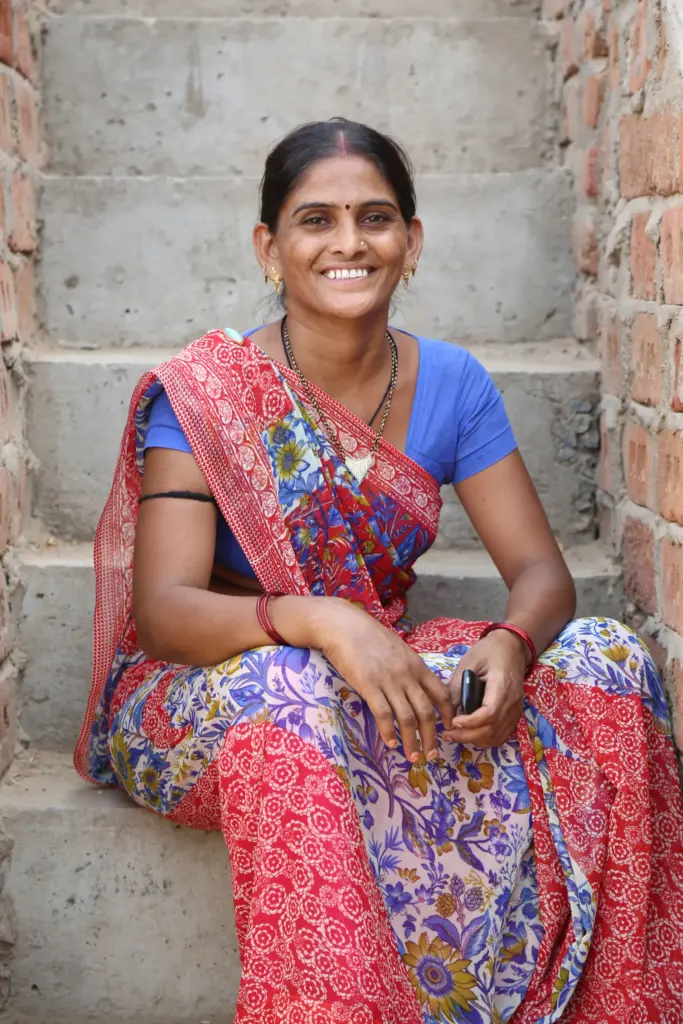
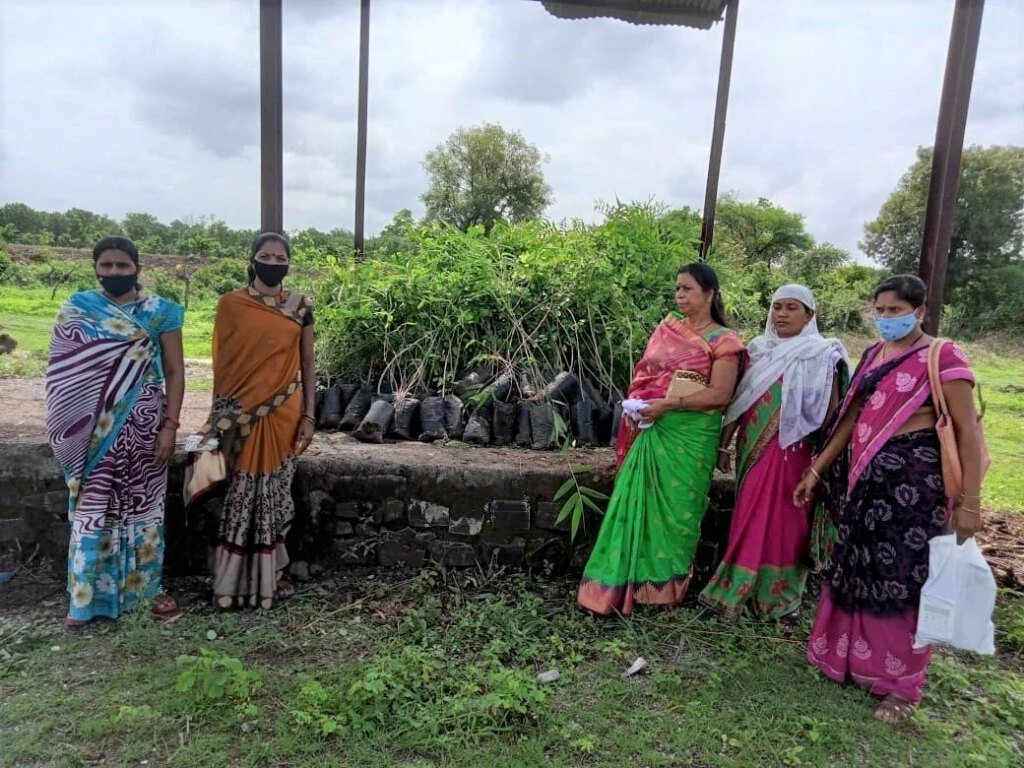
Investing in women is key to building resilient cotton supply chains. While women play a key role in cotton production, they often lack equitable access to training, resources, and economic opportunities. Through our Women in Cotton programmes, we equip women with skills, strengthen their health and wellbeing, increase awareness of their rights, to participate more fully in improving their quality of life.
By enhancing their knowledge and skills, these programmes result in strengthening households, sustainable livelihoods, and resilient farming communities. For brands, this contributes to more stable supply chains and measurable social impact grounded in long-term community resilience.
Learn more about our Women in Cotton programmes

Knowing more about the challenges farmers face, and the support being provided through training and capacity-building programmes, gives us greater confidence in the long-term resilience of our cotton supply chain. As regulatory expectations around transparency and due diligence continue to evolve, this deeper level of supply chain knowledge has also helped us prepare for future requirements and strengthen our responsible sourcing approach.