

Human Rights Due Diligence (HRDD) is becoming a central part of responsible sourcing.
Brands are increasingly expected to understand human rights risks within their supply chains, take action to address them, and demonstrate progress over time.
Yet identifying risks is only the beginning.
Meaningful due diligence requires engagement with farmers, workers, suppliers, and communities to understand conditions on the ground and support continuous improvement.
CottonConnect helps brands move from policy commitments to practical implementation.
Through risk assessment, stakeholder engagement, monitoring, training, remediation pathways, and reporting, we help strengthen supply chain resilience while supporting the rights and wellbeing of the people who make supply chains possible.

In 2023 alone, over 24,000 women participated in our Women in Cotton programmes
News & Updates
Women in cotton
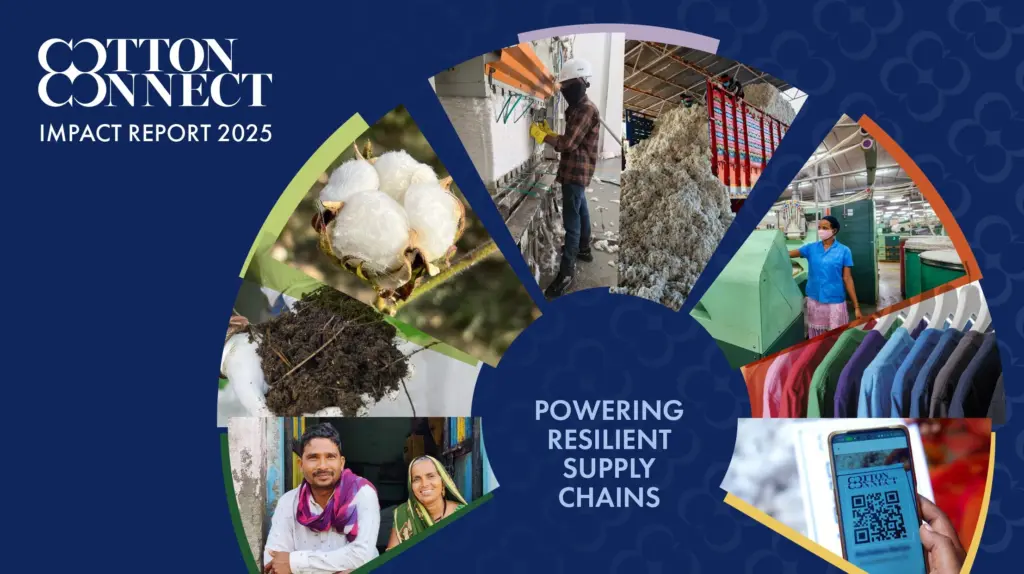


How brands can strengthen Human Rights Due Diligence
Effective HRDD combines systems, processes, and engagement with people throughout the supply chain.
We help brands:
- Conduct human rights risk assessments
- Identify salient risks across sourcing regions
- Strengthen grievance and remediation mechanisms
- Build supplier and worker awareness
- Improve labour standards and working conditions
- Monitor progress through ongoing verification
- Generate evidence to support due diligence reporting
- Integrate HRDD into responsible sourcing strategies

From risk assessment to action
Human Rights Due Diligence is most effective when it leads to measurable improvements.
Our programmes work directly with farmers, workers, ginners, and local partners to identify risks and implement corrective actions. This includes strengthening age verification systems, improving workplace safety, increasing awareness of labour rights, establishing grievance mechanisms, and improving documentation and management systems.
Recent assessments across cotton gins identified priority areas including:
- Child protection
- Wages, contracts and working hours
- Health and safety
- Worker representation and grievance mechanisms
These findings are translated into practical corrective action plans, supported through training, monitoring, and ongoing engagement with management and workers.

Building capability throughout the supply chain
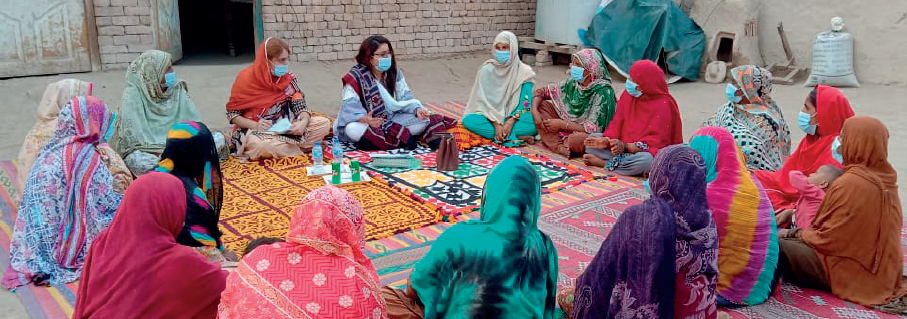
Long-term change requires local ownership. CottonConnect builds capacity throughout supply chains by training farmers, workers, ginning facilities, local partners, and dedicated HRDD leads. Across programmes, local champions help embed responsible business practices, reinforce awareness, and support continuous improvement.
This approach helps move HRDD beyond audits and assessments towards sustainable behavioural and systems change.
- HRDD leads trained across sourcing regions
- Grievance mechanisms integrated into programmes
- Worker and management training delivered
- Gin-level HRDD focal points established
- [Insert latest verified figures]

Stories from responsible supply chains
Human Rights Due Diligence becomes meaningful when it improves people’s lives.
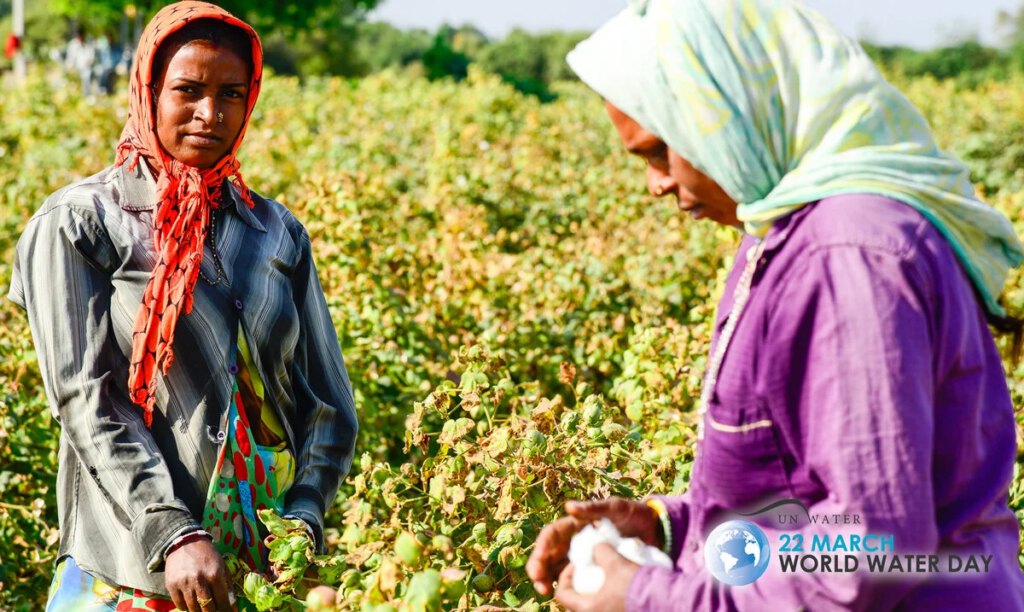
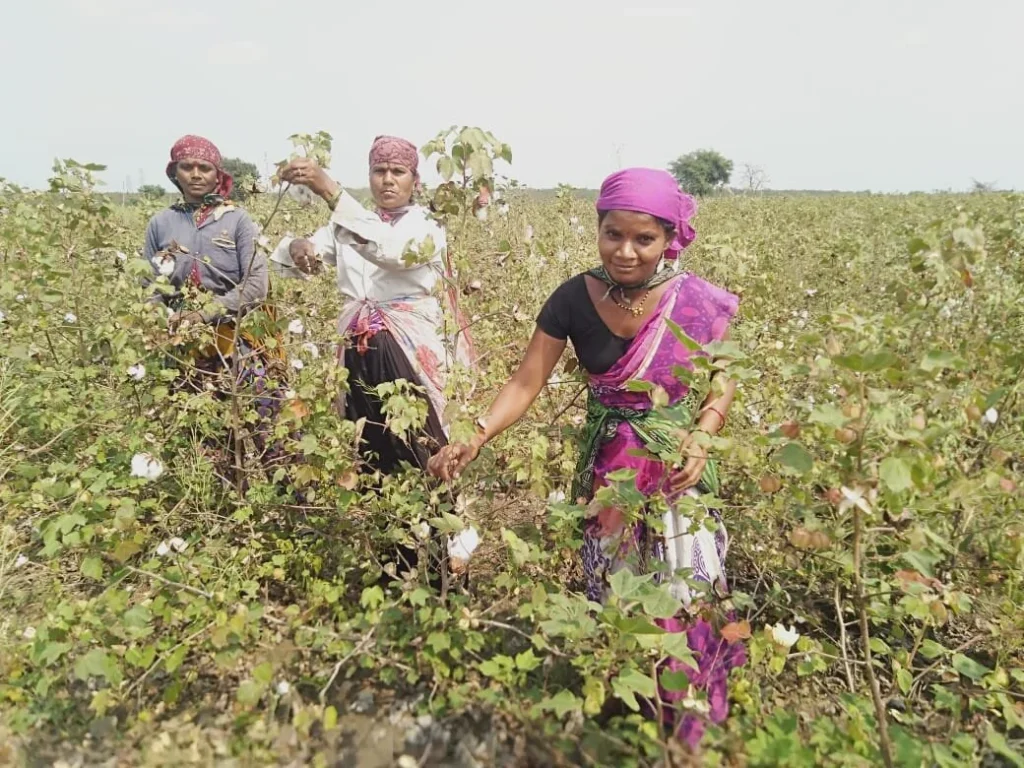
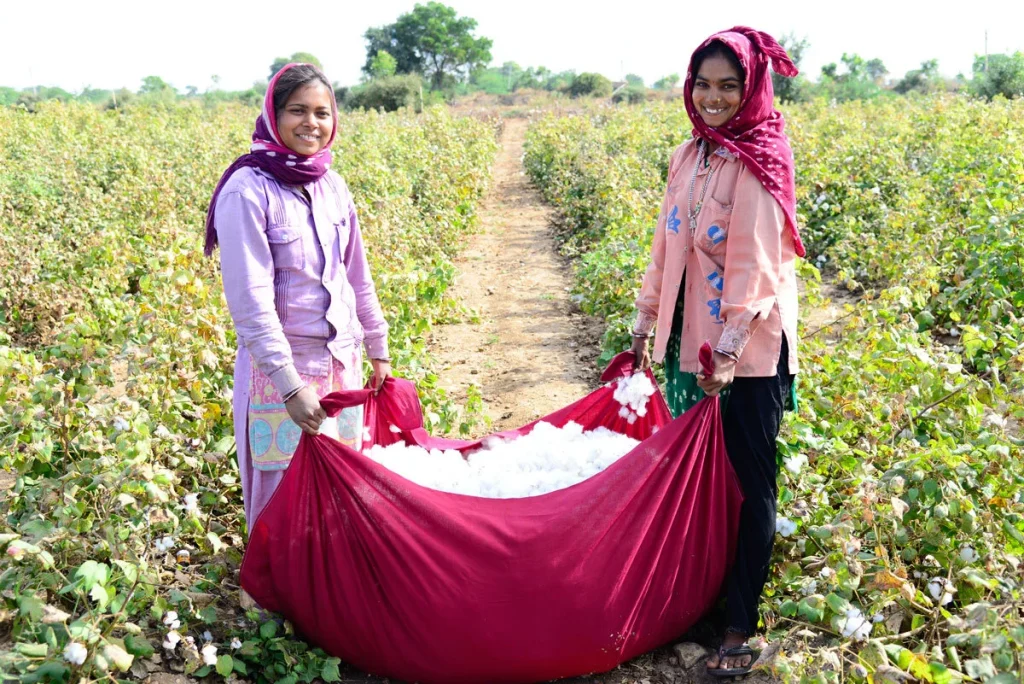
From strengthening workplace safety and reducing labour risks to supporting women, protecting children, and improving worker wellbeing, our programmes demonstrate how responsible sourcing can create positive outcomes for both communities and brands.


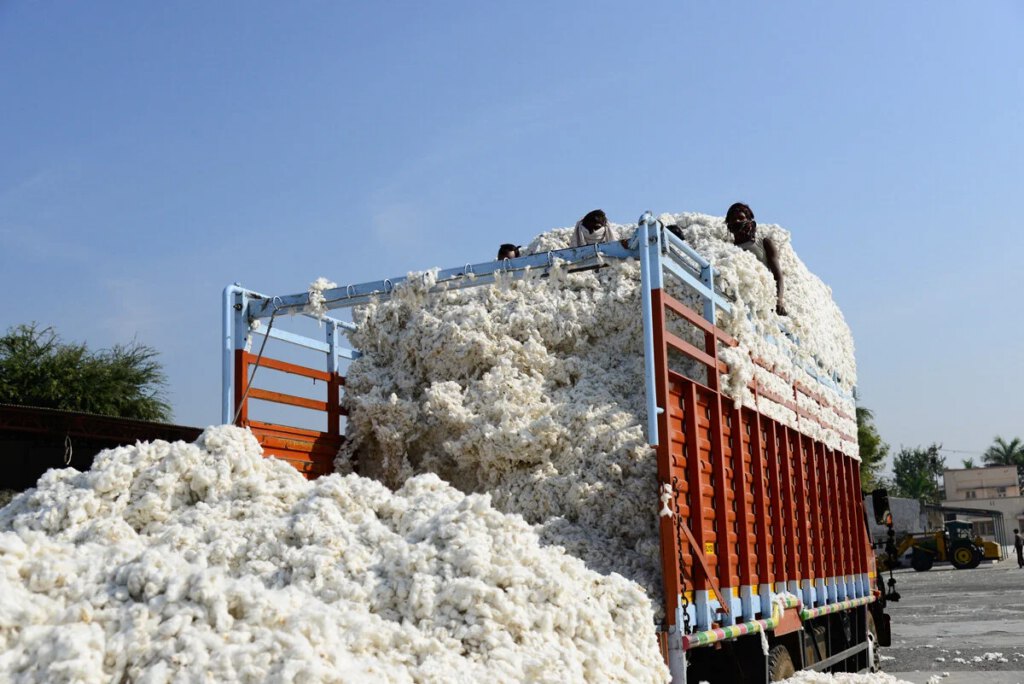
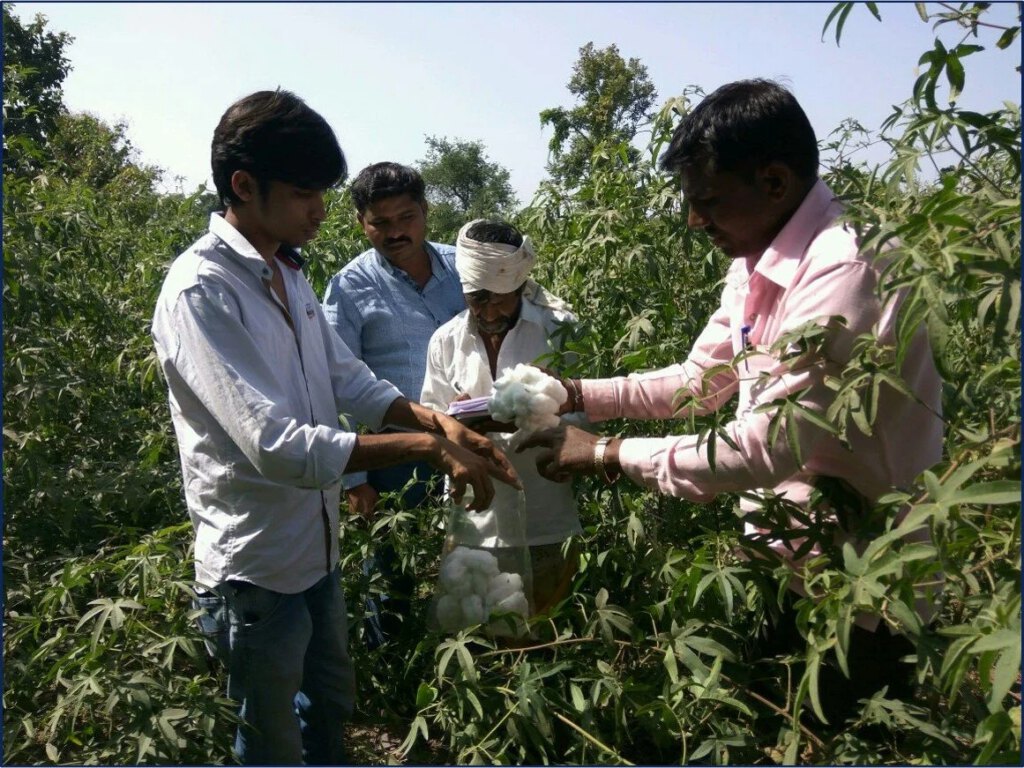
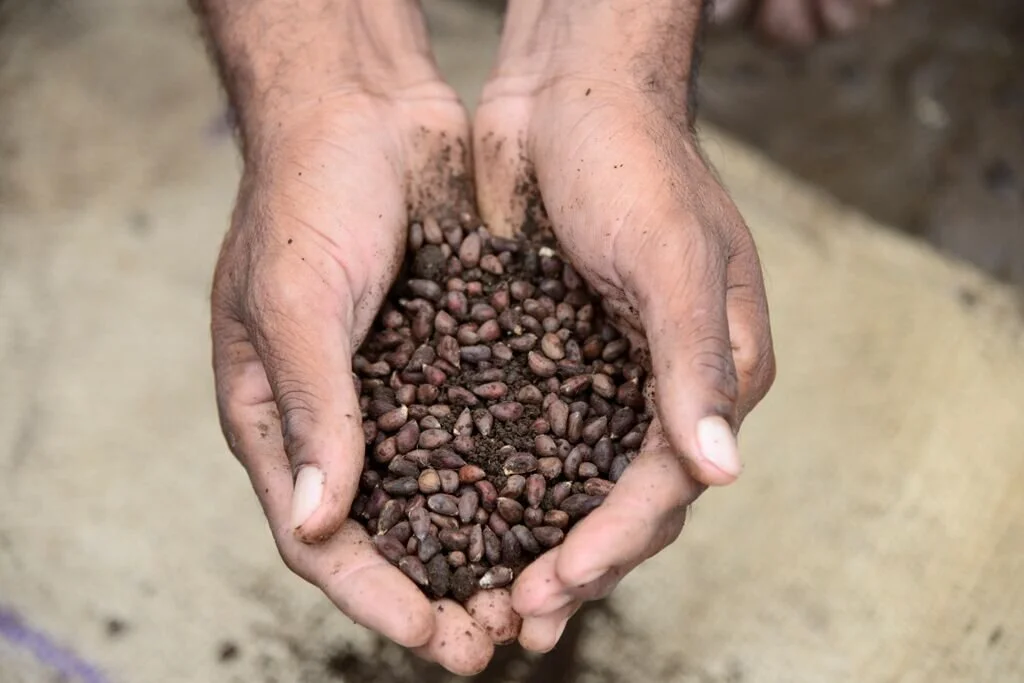


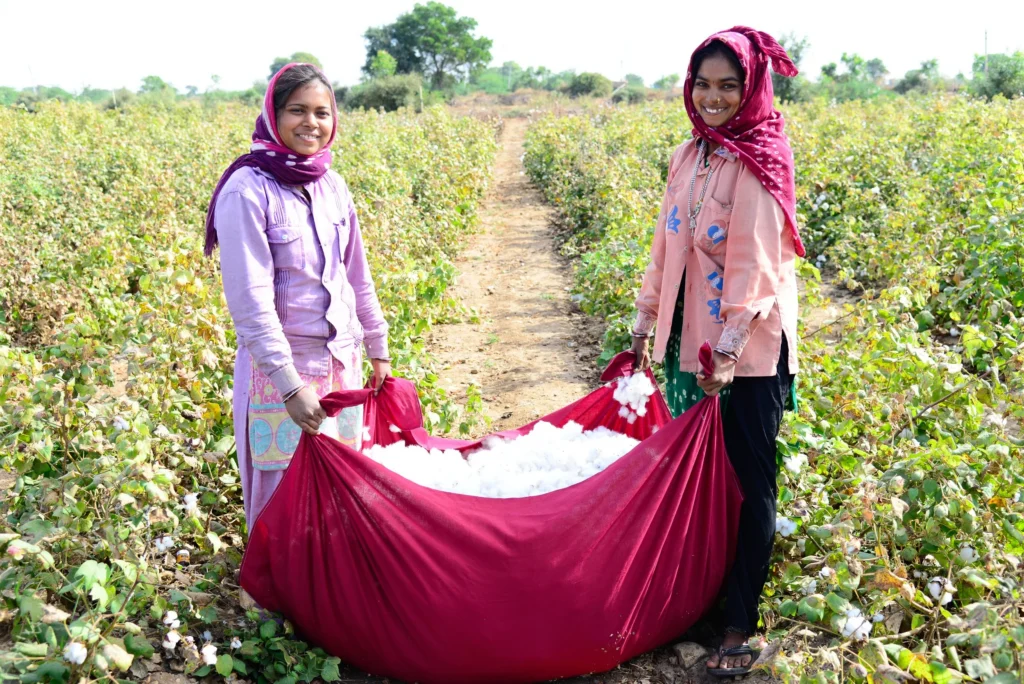
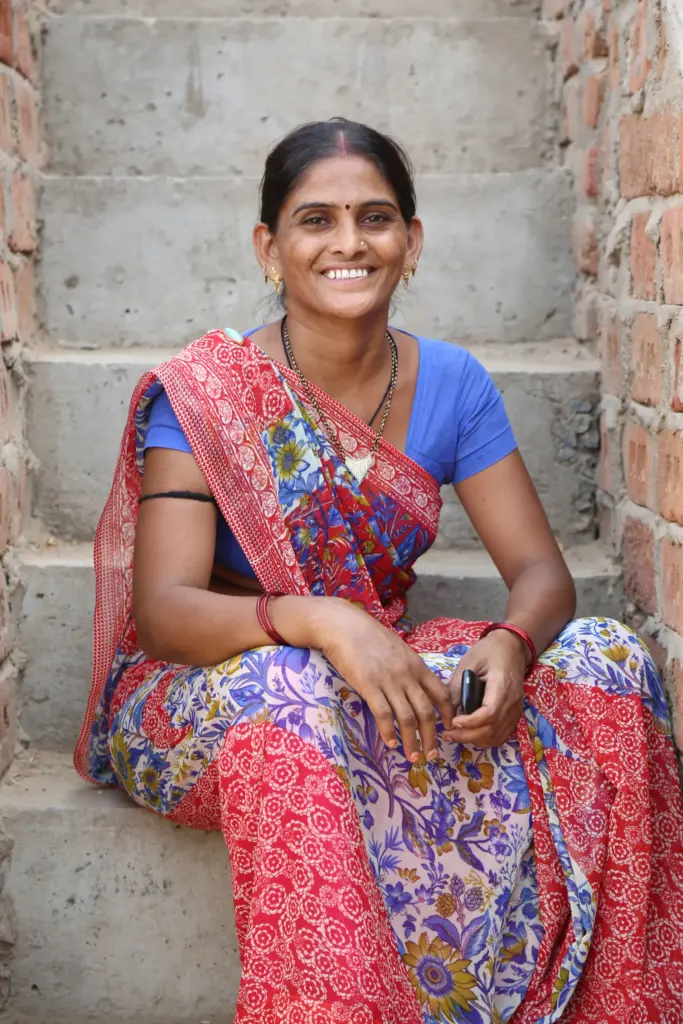
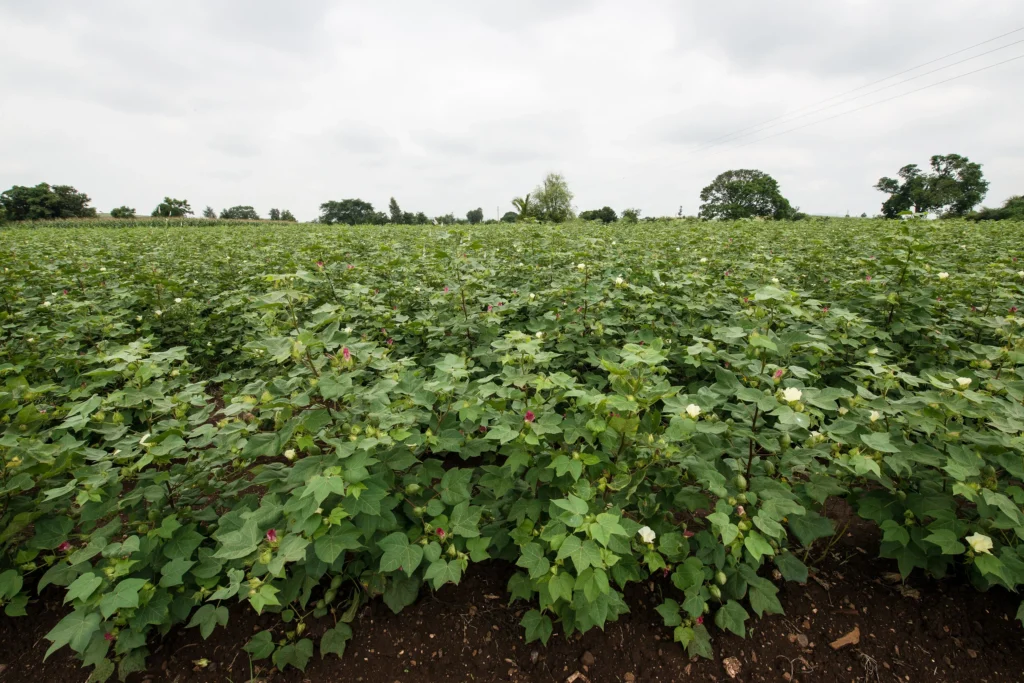
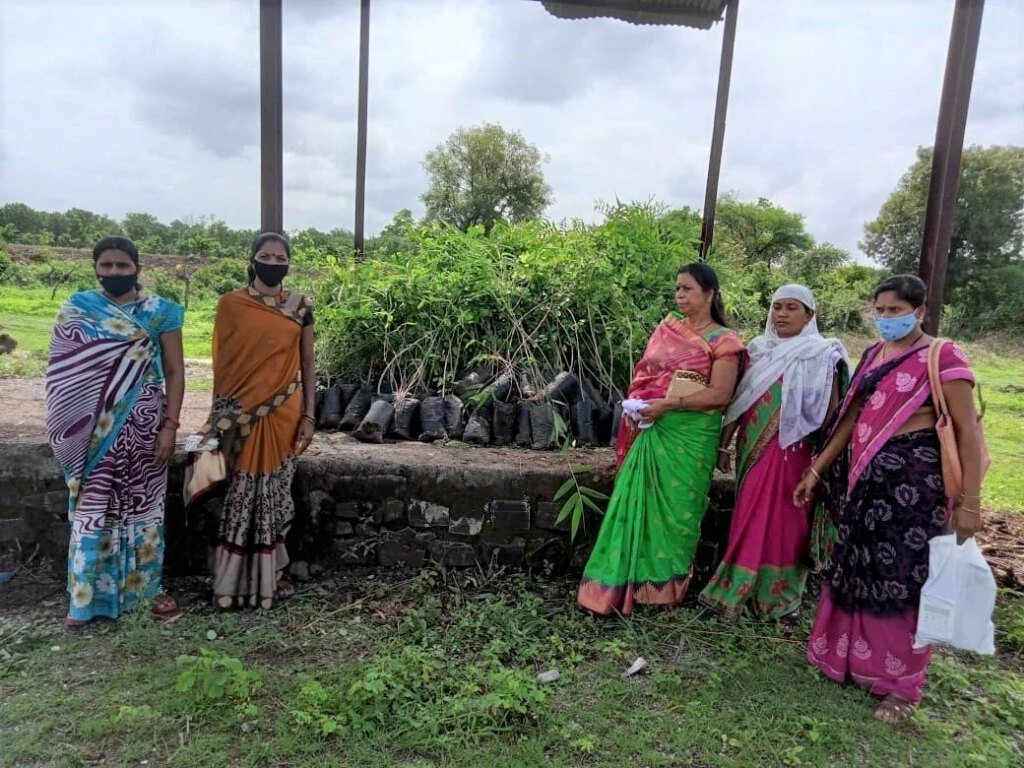


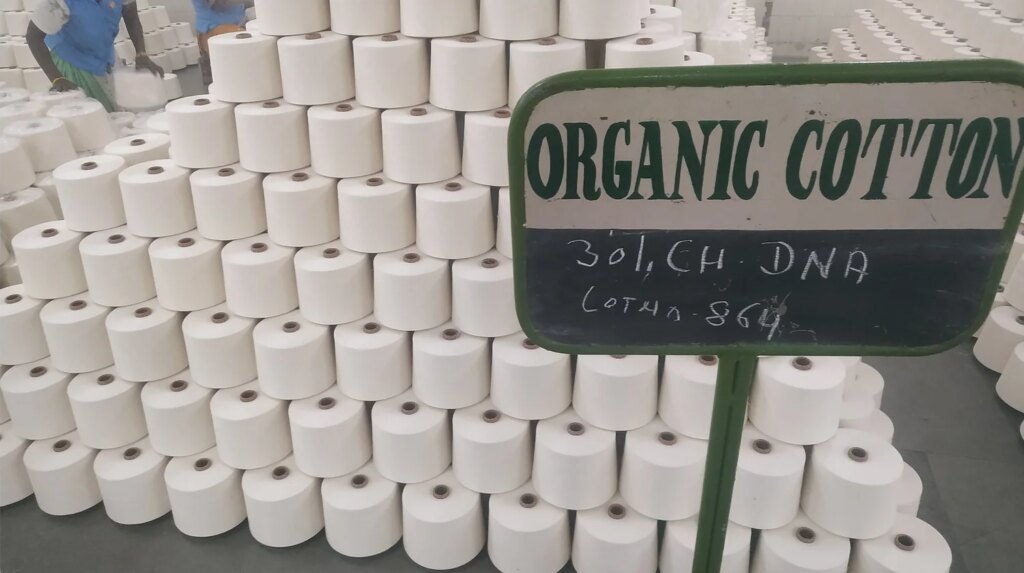

Building stronger supply chains through Human Rights Due Diligence
Human Rights Due Diligence helps brands understand risk, strengthen relationships, improve working conditions, and build greater resilience throughout their supply chains.
By combining global frameworks with practical implementation on the ground, CottonConnect helps brands turn responsible sourcing ambitions into measurable action and lasting impact.
